Underground Tank Extraction in Blue Springs, MO
Why Choose Us for Underground Tank Extraction in Blue Springs, MO?
If you’ve got a legacy heating oil tank or an old steel UST buried on your property, Blue Springs’ clay soil has not been kind to it. Heavy, moisture-retaining clay traps groundwater right around the burial pit. That moisture speeds up external corrosion on aging, unlined steel tanks, and once a tank starts leaking, that same dense clay holds the petroleum close instead of letting it disperse.
It also makes the removal itself harder. Wet Missouri seasons turn excavation walls unstable fast, which means proper trench bracing and careful handling matter just as much as getting the tank out.
We pull underground tanks across Jackson County, from properties along the I-70 and US Route 40 commercial corridor to established neighborhoods like Sunnyside, Chapman Farms, and the Lake Tapawingo area. We know how this soil behaves, and we plan every extraction around it, protecting your foundation, your yard, and your property value in the process.
Get a Quote for Underground Storage Tank Removal in Blue Springs
Please Fill Out Our Form Below
What Clients Say About Our
UST Removal Contractors in Blue Springs, MO
EXCELLENTTrustindex verifies that the original source of the review is Google. Chance is reliable , on time and does a great job!Posted on GoogleTrustindex verifies that the original source of the review is Google. Triple C Excavating has done work for me at my business and has also installed electrical, water, and drainage for me at my house. I have nothing but great things to say about this business! They are honest and hard working! Don’t hesitate to call 📞
Ready to Start Your Underground Storage Tank Removal in Blue Springs, MO
Services We Provide
Sewer Jetting
Sewer Lateral Install
Water Line Install & Repair
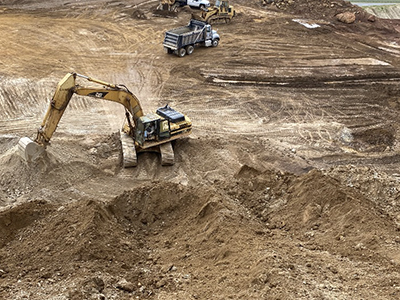
General Excavation
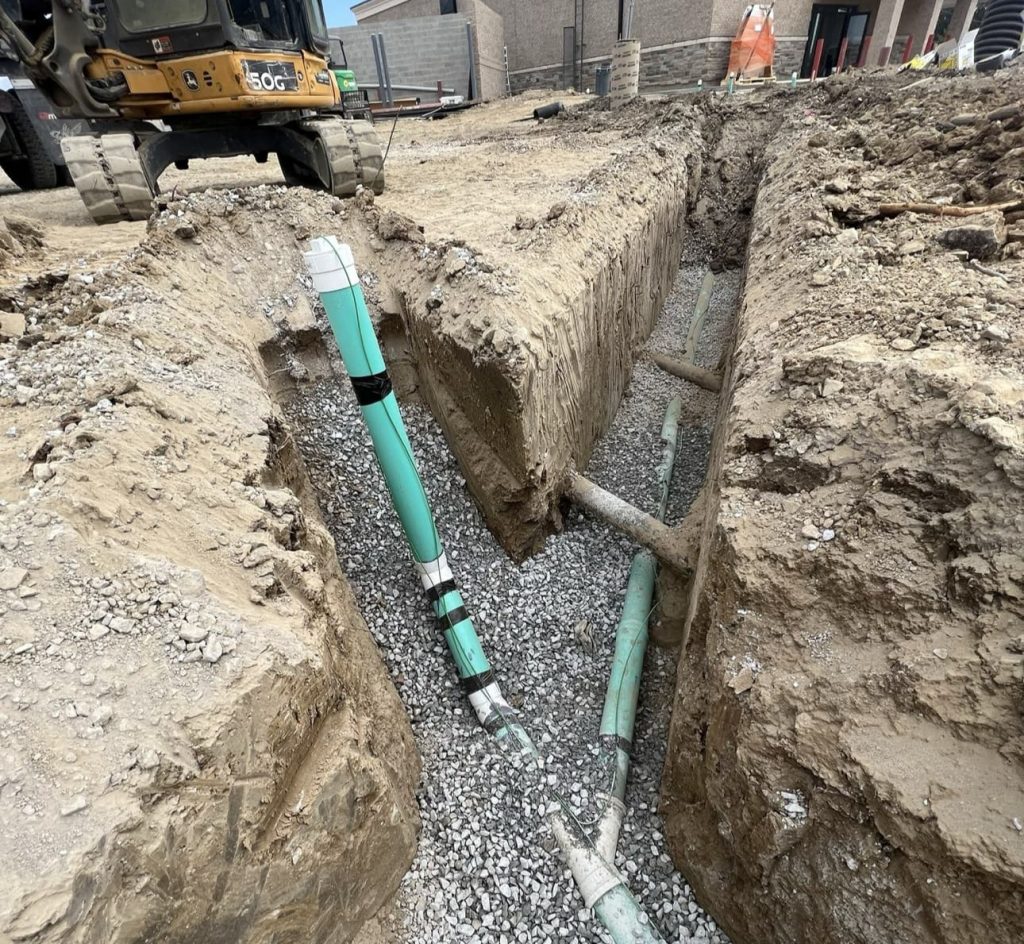
Drainage Solutions
What Makes Our Site Preparation Process Effective in Blue Springs, MO?
Pulling a tank out of the ground isn’t a one-step job, especially in Jackson County clay. Here’s exactly how we do it.
Step 1: Site Survey & 811 Utility Clearance:
We scan the property and clear utilities before anything gets dug, whether you’re near the I-70/Highway 40 corridor or further out.
Step 2: Vapor Degassing & Liquid Pumping:
We safely extract any hazardous residue or vapor from the tank before excavation begins.
Step 3: Precision Hydraulic Excavation:
We navigate heavy Missouri clay carefully, avoiding tank puncture and unnecessary disturbance to surrounding soil.
Step 4: Tank Extraction & Structural Inspection:
The tank comes out, and we inspect it on-site for corrosion, leaks, or structural failure.
Step 5: Mandatory MO DNR Soil & Groundwater Sampling:
Certified sampling checks for contamination as required by Missouri DNR.
Step 6: Engineered Backfilling & Mechanical Compaction:
We compact the backfill properly, preventing lawn sinks and protecting nearby foundations.
Six steps, done right, every time. That’s how a tank comes out without leaving new problems behind.
Case Studies
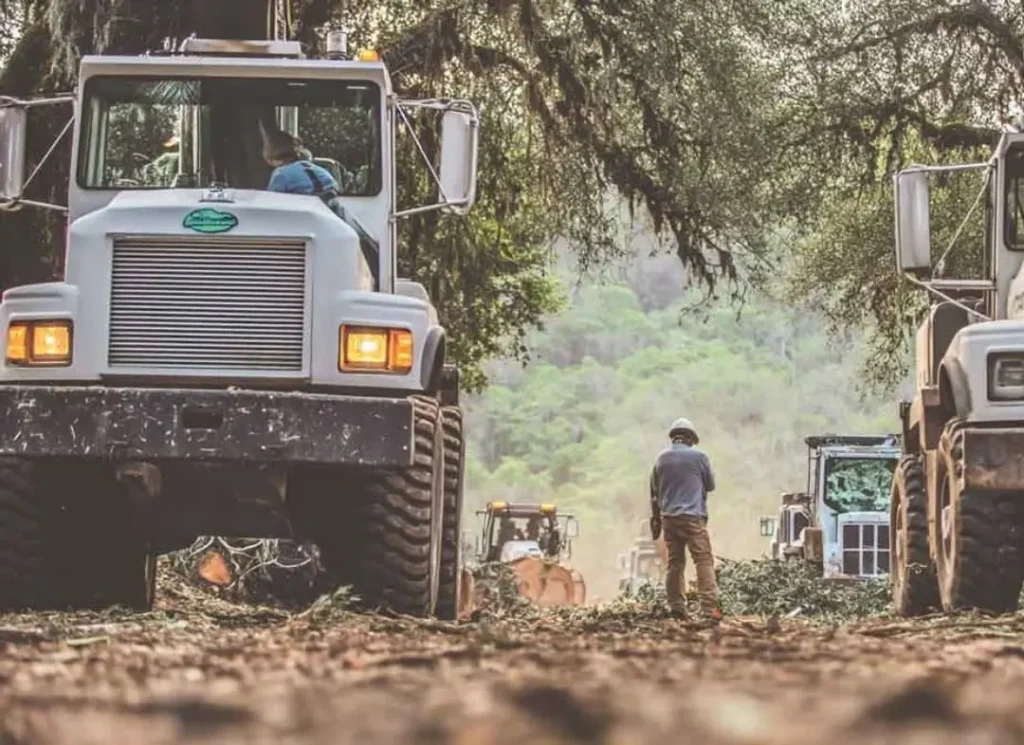
A Sunnyside homeowner had an aging heating oil tank buried since the 1970s. We completed 811 utility clearance, degassed the tank, and hydraulically excavated it through heavy clay without puncture. DNR-required soil sampling came back clean. We backfilled and mechanically compacted the site, leaving the lawn stable with no sinking in the months since.
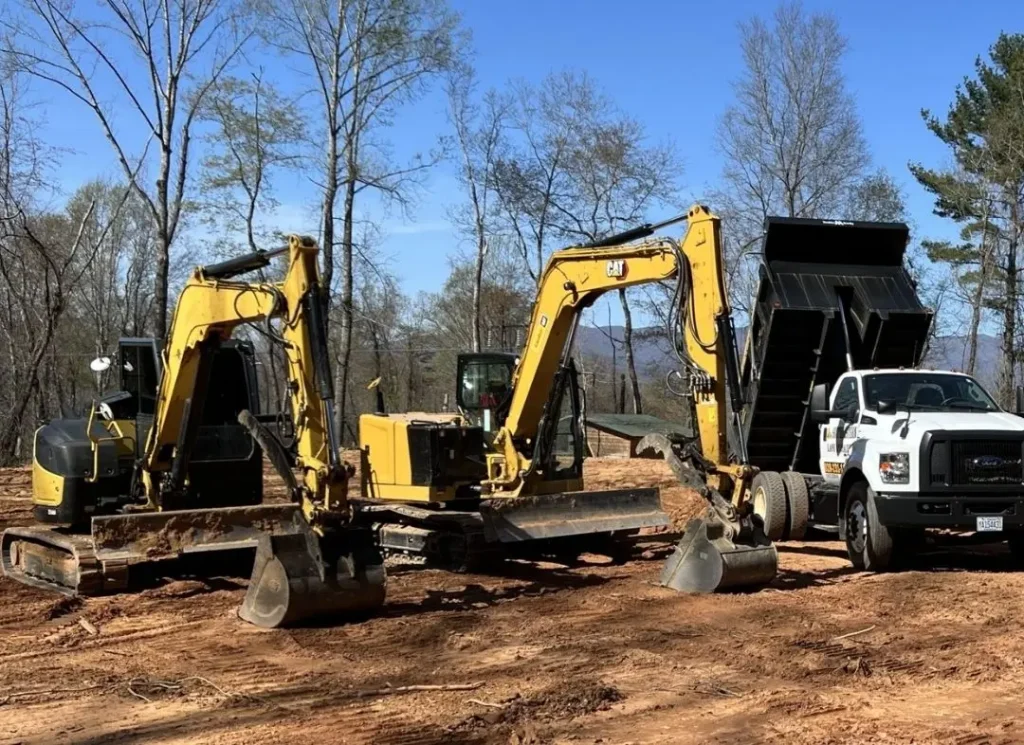
A commercial property owner near the US 40 corridor needed a corroded steel UST removed ahead of a real estate sale. We handled full extraction, structural inspection, and MO DNR soil sampling. Minor petroleum residue was detected, remediated, and documented with a closure report, giving the owner clean paperwork for the transaction.
RECENT PROJECTS
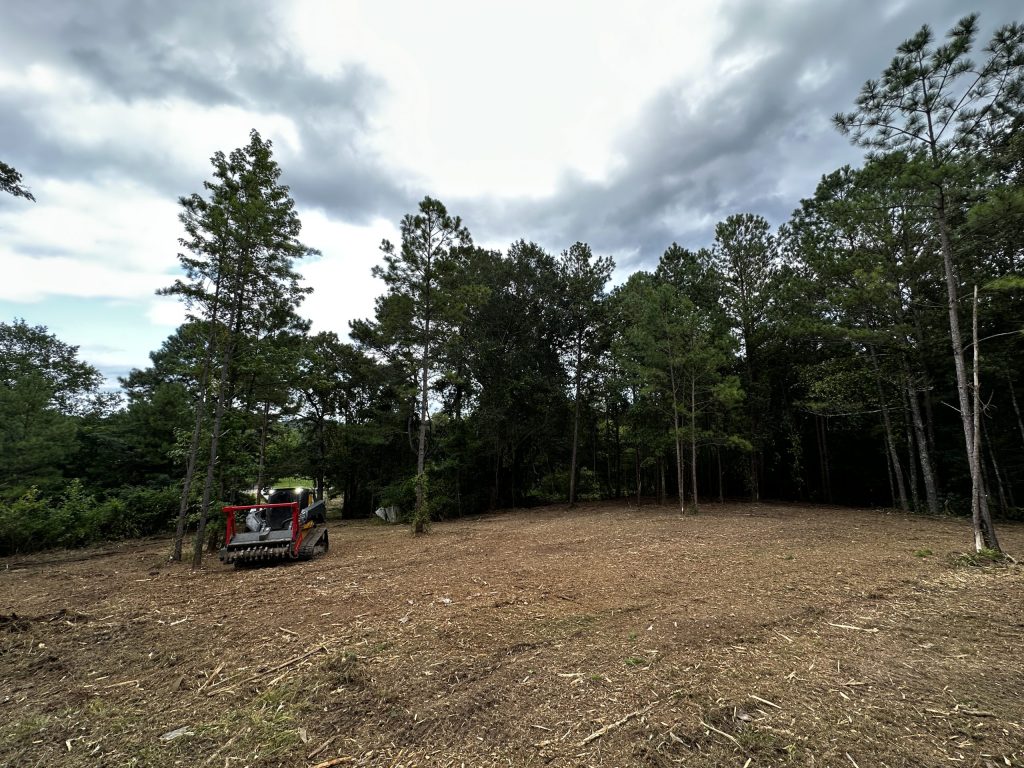
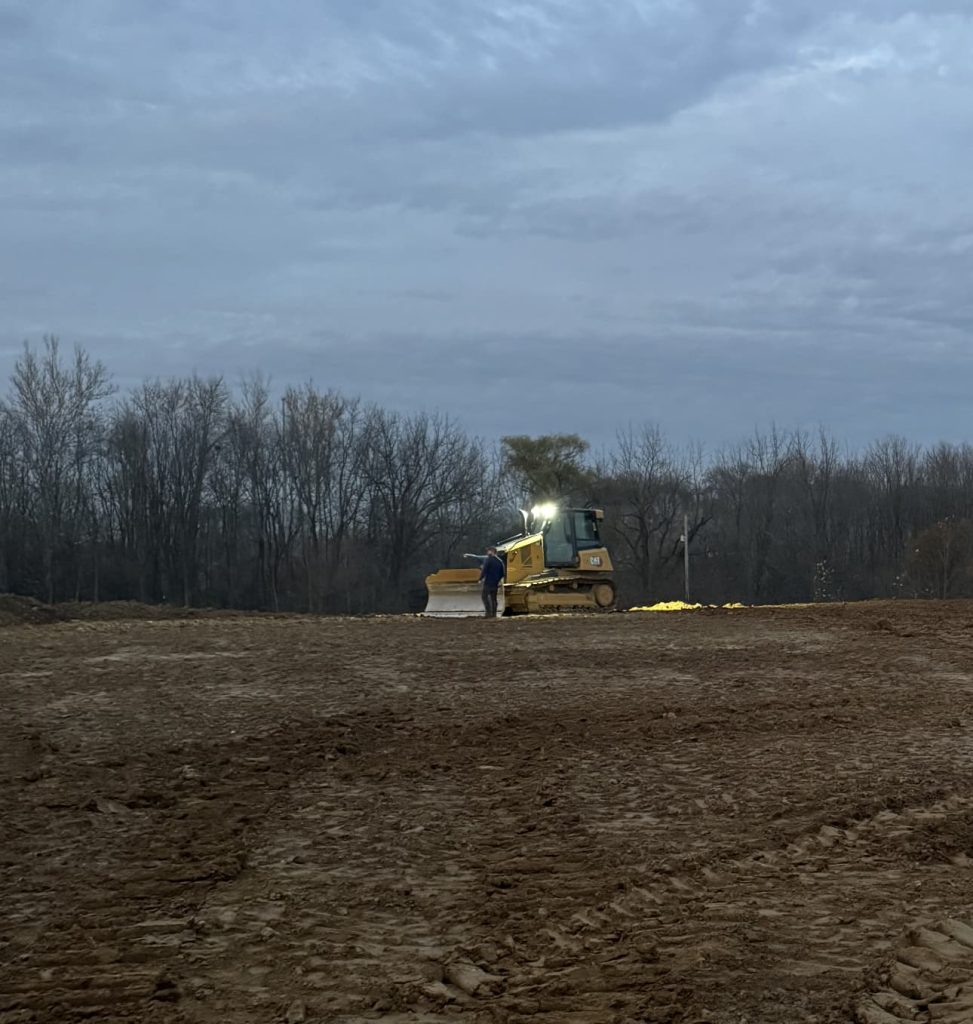
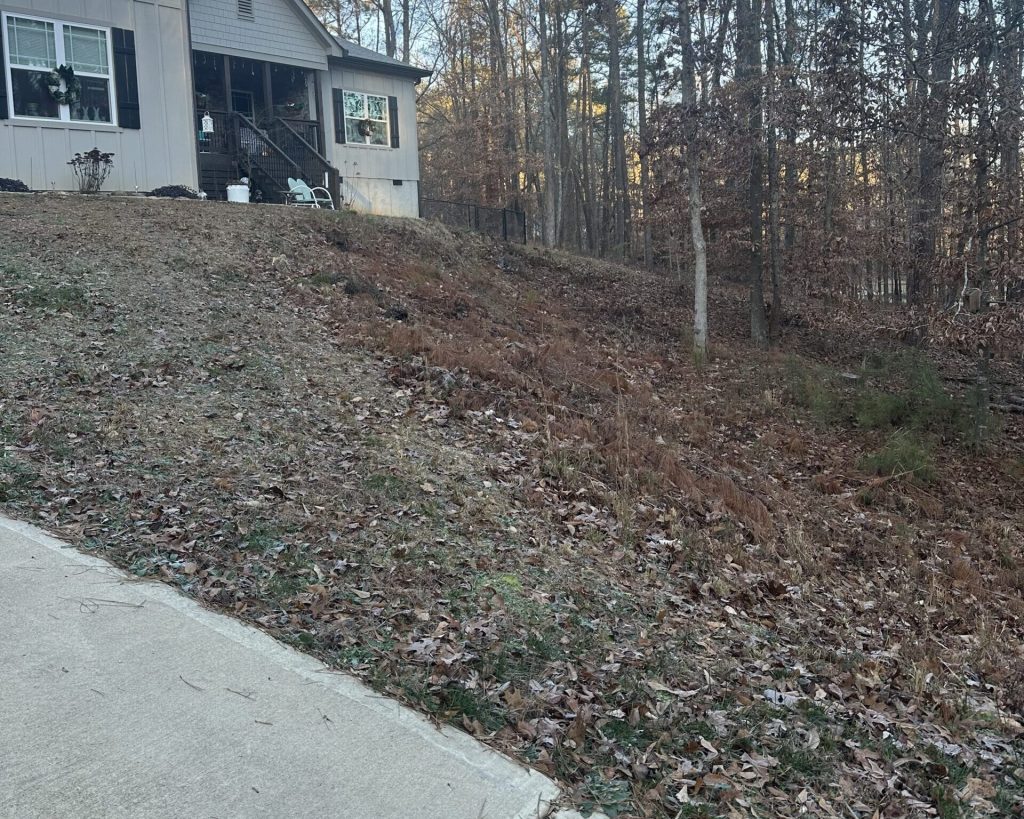
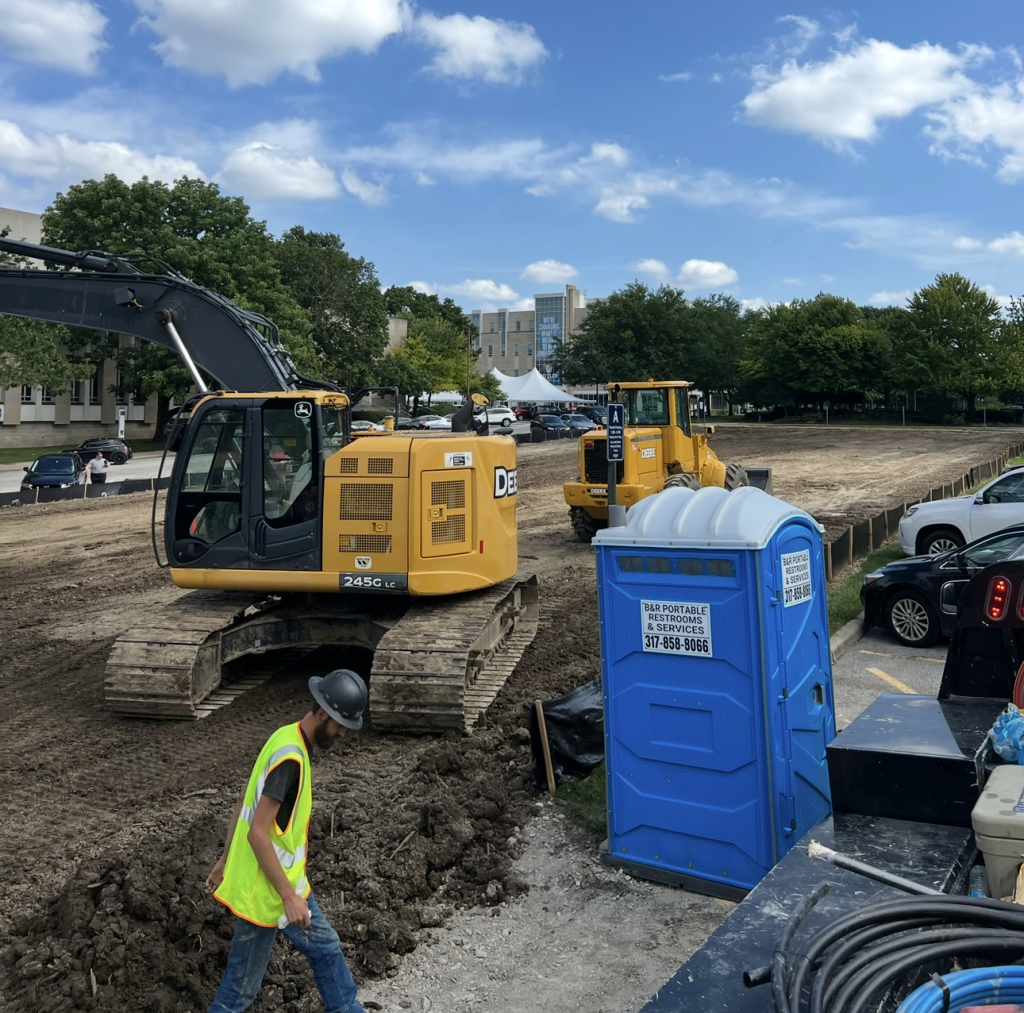
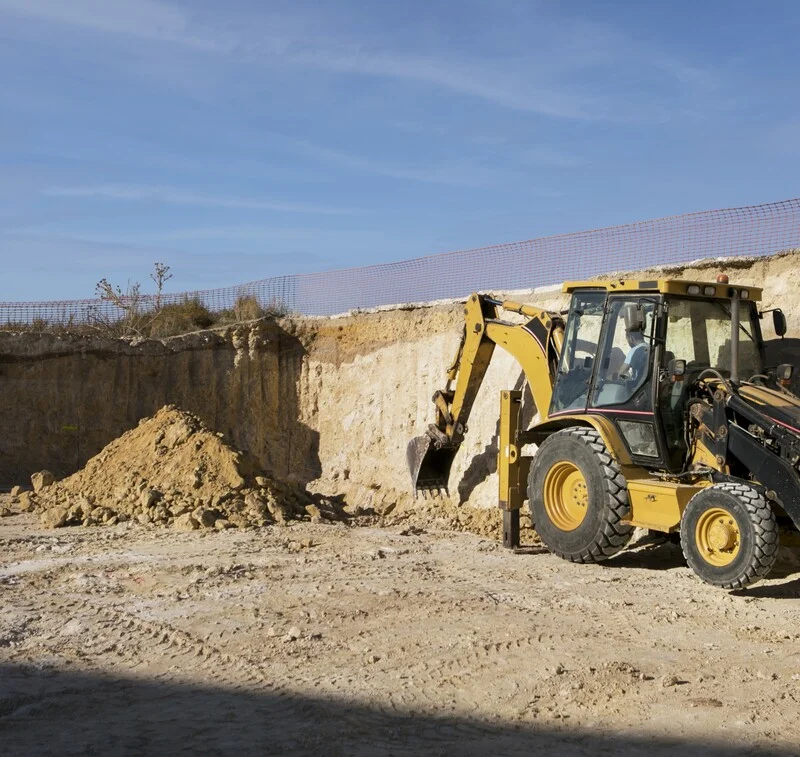
Take a look at some of our latest work. Scroll through the photos below to see our team in action and the results we deliver.
Triple C Excavating, LLC.
FAQs About Underground Tank Removal in Blue Springs, MO
Does my home or commercial property in Blue Springs require a Missouri DNR permit before pulling an underground tank?
Most UST removals in Jackson County require DNR notification and mandatory soil sampling. We handle the permitting and compliance process for you before excavation begins.
What happens if oil or petroleum contamination is found in the clay soil beneath the tank grave?
Contaminated soil triggers remediation under Missouri DNR and PSTIF guidelines. We coordinate lab-certified TPH/BTEX testing and remediation, then provide closure documentation once the site meets state standards.
How do you prevent backfill settling and lawn damage after heavy machinery excavates the tank?
We use engineered backfill and mechanical compaction after extraction. This prevents the lawn sinks and soil settling common with rushed or improperly compacted tank removals.
How do I know if my Blue Springs property has an old, forgotten heating oil tank buried on it?
Older homes near Sunnyside or Chapman Farms often have legacy tanks from prior heating systems. We offer site surveys to locate and assess buried tanks before they become a liability.
Will removing an underground tank affect my ability to sell my Jackson County property?
An unremoved or undocumented tank can complicate a sale. A completed removal with DNR closure documentation gives buyers and lenders the paperwork they need for a clean transaction.